
Overview
About that time, California made a new plan to help people with drug and alcohol problems get better care. This new plan focused on helping the whole person. It was like what we already wanted to do!
Our goal is to help men get better from these problems by giving them a good place to live, teaching them how to get support, and helping them feel good about themselves.
We started focusing on each person’s needs instead of just having a set program. People can take as much time as they need to get better. If someone gets better faster, we can use those resources to help someone who needs more time. We still use our ways of helping people, like support groups, and we give them the care they need. We help with all the different things in their lives so they can get back into the community and stay healthy. We even stayed open during COVID to help people in person.

Some studies say that staying longer, like three months or more, is better. But really, how long someone needs to stay and how well the program works depends on what each person needs and how much effort a person gives.
Our program has steps, like going from one level of help to the next. We watch how people are doing and help all along the way, not just at the end. This also helps us use our resources wisely.”

Almost half (about 50 out of 100) of the people living here have had some trouble with the police or the courts before. This is a really important connection because it often has to do with needing help with drugs or alcohol and also not having a home. About 29 out of every 100 people said they did things against the law to get money for drugs. *This information comes from SANDAG in 2022. When adults were arrested and tested, about 74 out of every 100 tested positive for illegal drugs, and about 62 out of every 100 said they didn’t have a home at some point. For the people here who had problems with the law, about 63 out of every 100 were able to make a good change over 5 years. That’s about the same as how many people in general here make a good change over 5 years.
This number is like finding the middle point for everyone. Many people living here have never tried treatment before. We think of needing help from drugs or alcohol as something that can happen for a long time, like when someone has diabetes, high blood pressure, or asthma. Just like those things, sometimes the problems get better, and sometimes the problems come back. If you count up all the times people had these problems with different things, the middle number is about three prior attempts.
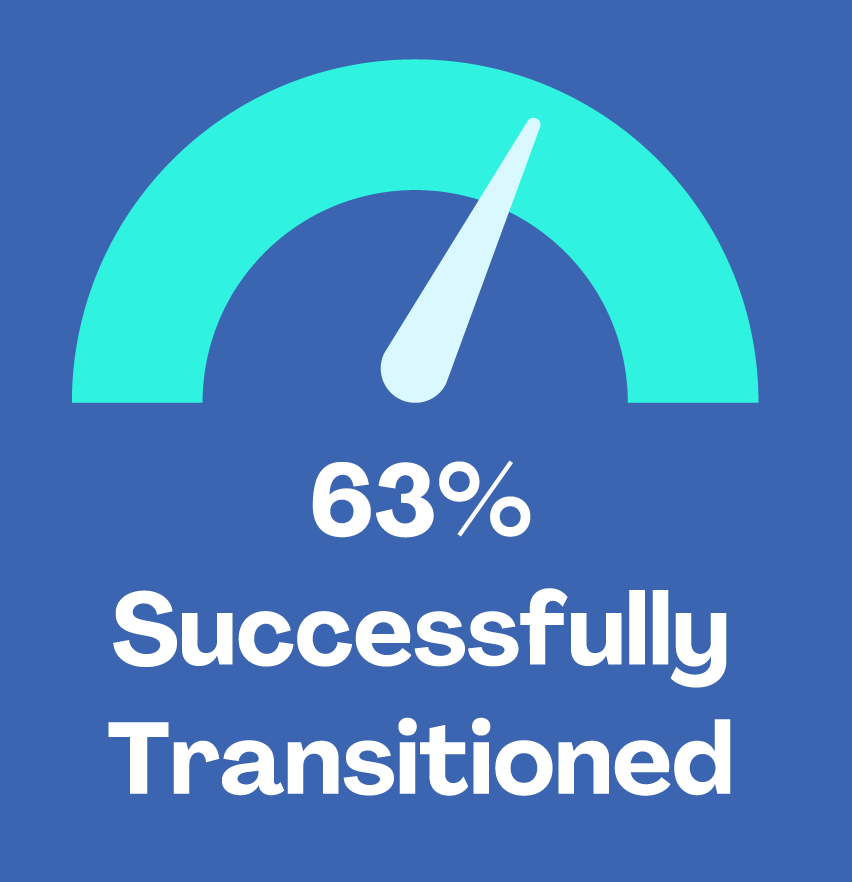
Moving on to a less intense level of care that’s right for you means you’ve made good progress on your goals. You’ve learned and practiced ways to deal with tough times, how to avoid going back to old habits, and how to believe in yourself. Many people go back home or to a safe place to live without drugs or alcohol. They also go to a less intense program where they meet regularly with support groups like 12-step programs.
The Diverse Demographic of Heartland House
Our client experience at Heartland House reflects that Substance Use Disorder cuts across the boundaries of race and ethnicity and that our client demographic numbers reflect the diversity of our region.
From 2020 through 2024, Heartland House assisted 664 men from San Diego County. The figures that follow describe the racial and ethnic mix of those men, with comparisons to the general population of our region.
Individuals who identify as Hispanic or Latino comprise approximately 30% of San Diego County residents and 28% of Heartland House clients. San Diego’s Black population constitutes slightly under 5% of the County’s, and 8% of Heartland House clients. One anomaly is present in the Heartland House client mix: There have been substantially less men of Asian ethnicity at Heartland House than in San Diego’s general population: 1% of clients, versus over 12% of San Diego. This statistical difference is negated by a difference of 14% between San Diego’s White population of 43% and Heartland House’s White client percentage of 57%.
As the 664 men who we have helped in the past five years demonstrate, Heartland House is promotes an environment of diversity and inclusion.

Notes from population websites:
County Statistics:
Here’s a more detailed breakdown:
White (Non-Hispanic): Approximately 43.6% of the population.
Hispanic or Latino: About 35% of the population identifies as Hispanic or Latino.
Asian (Non-Hispanic): Around 11.8% of residents are Asian.
Other: This category includes various other races and ethnicities, with smaller percentages for Black or African American, Native American, Native Hawaiian or Pacific Islander, and individuals identifying with two or more races.
In San Diego County, the Black or African American population is approximately 4.7% of the total population
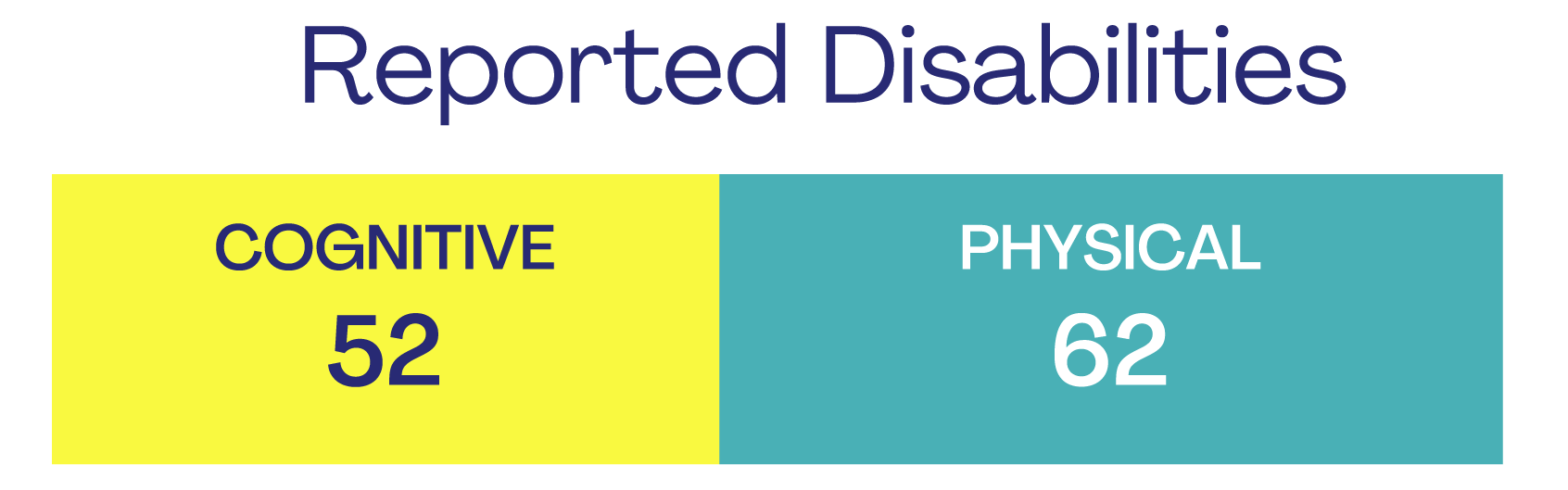
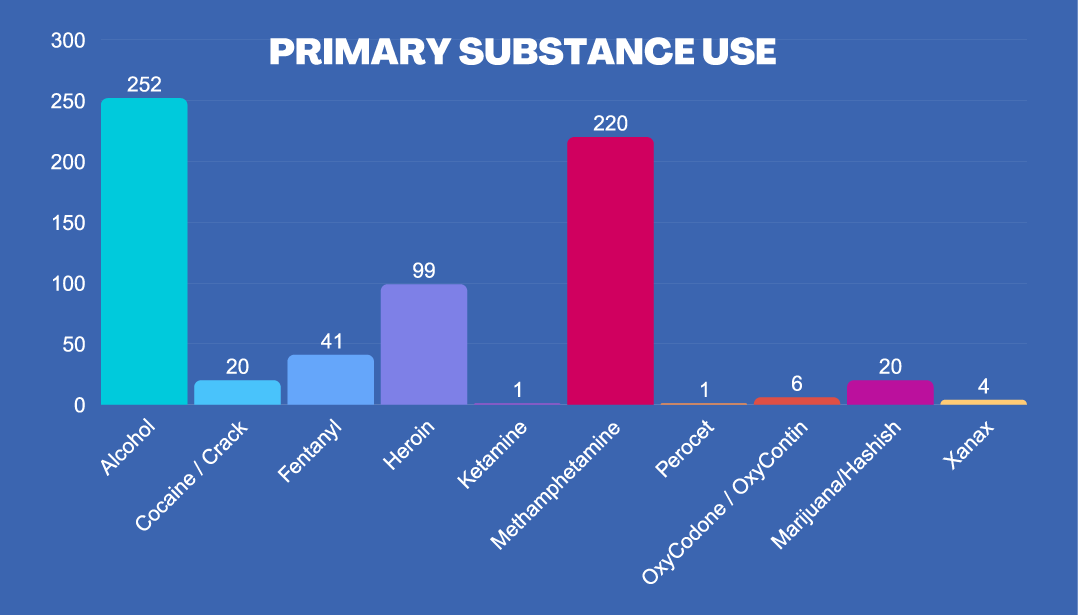
The main drug people used: Our picture from the last five years shows that a little more people used alcohol than meth. But in the year ending in 2024, more people we helped used meth for the first time. Because we look at our information, we also see that the main drug people use can be different depending on how old they are. With this picture, we think we can help them better.
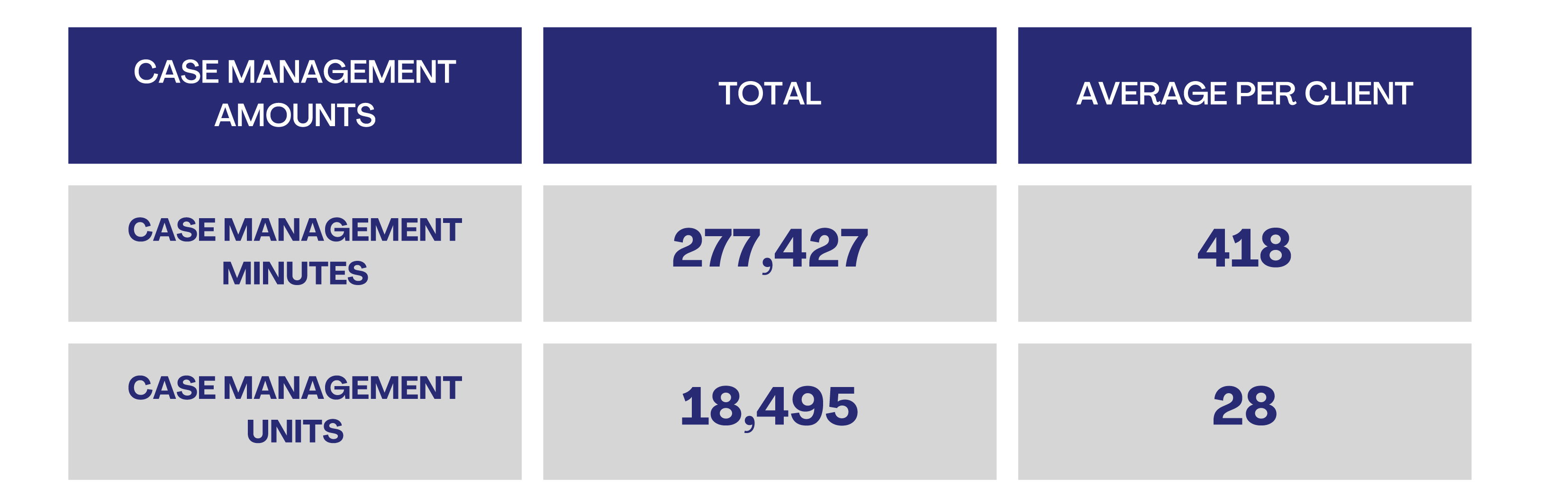
When someone new comes to our program, we talk with them, their family, and other important people in their life. Together, we figure out what they need. This is the first step in making a special plan just for them called a Care Plan.
We also help them make appointments with doctors for checkups, like their main doctor, therapists for their feelings, dentists for their teeth, and other special doctors if they need them. If they want, we can try to make these appointments at the same time as their family or other important people. We help them understand their health insurance and how to use it. Sometimes, we even help them get insurance if they don’t have it.
We also help people find other helpful things they might need, like rides to places, help getting ready for a job, a place to live, and friends or support when they leave our program.
Sometimes, the people we help have things going on with the law. We stick with them and help them through each part of that.
It’s super important for us to speak up for the people we help. To do this, we write down exactly what kind of care they get, what activities they do, and how they’re getting better. This also helps us make sure we’re giving them the best care.”
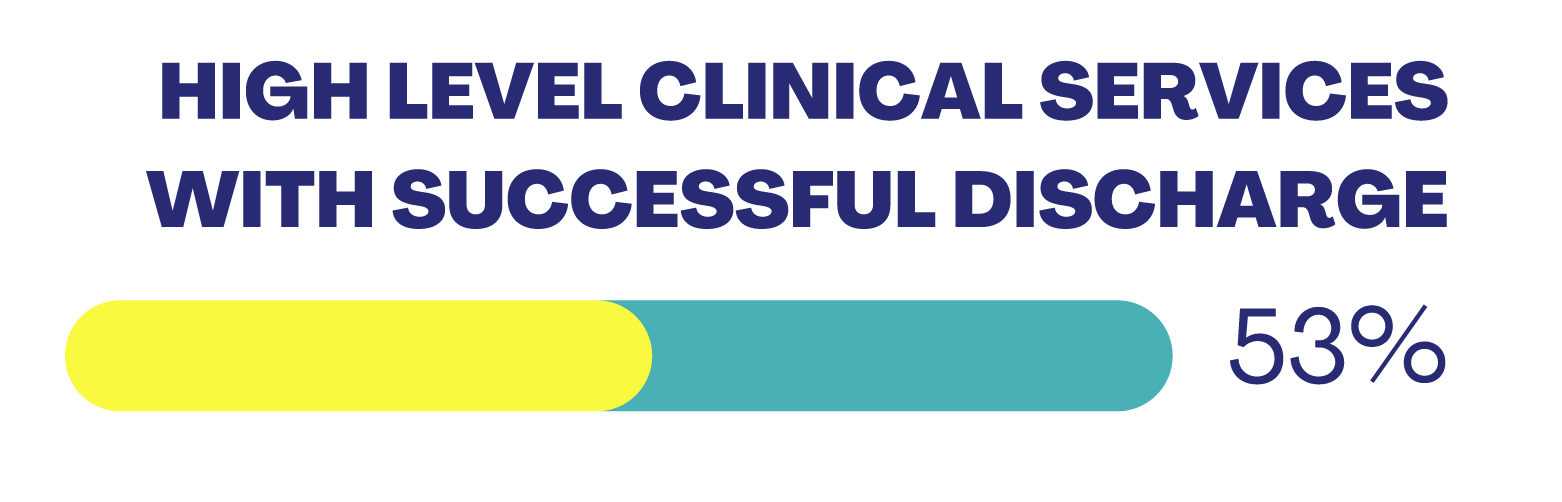
Our special, high-level help is for people whose drug or alcohol problems are pretty bad and might also have other challenges like mental health issues and trouble with daily life. It’s also for people whose home or friend situation makes it harder to stay healthy with those problems.
When people are in this program, we help them learn simple ways to deal with tough feelings, how to avoid going back to using, and how to make good friends and do positive things. We also help them show that they can handle things better and control their impulses to move to a less intense program.
We spend 15 hours teaching and 11 hours in weekly sessions using workbooks where people write a lot to help them learn. We also use special talking methods called Motivational Interviewing and Cognitive Behavioral Therapy. This means we focus on what’s happening now and how to solve problems.

Our Impact
For every dollar spent on getting help for people, it looks like the community saves about 4 to 7 times that amount in the future. This is because people might need fewer things like help from social services, trips to the emergency room, visits for mental health emergencies, and getting involved with the police and courts.
When people do well in treatment and stay healthy, have a good place to live, and are safe and successful in the community, it makes a big positive difference for everyone in San Diego in many different ways.